Who this is for
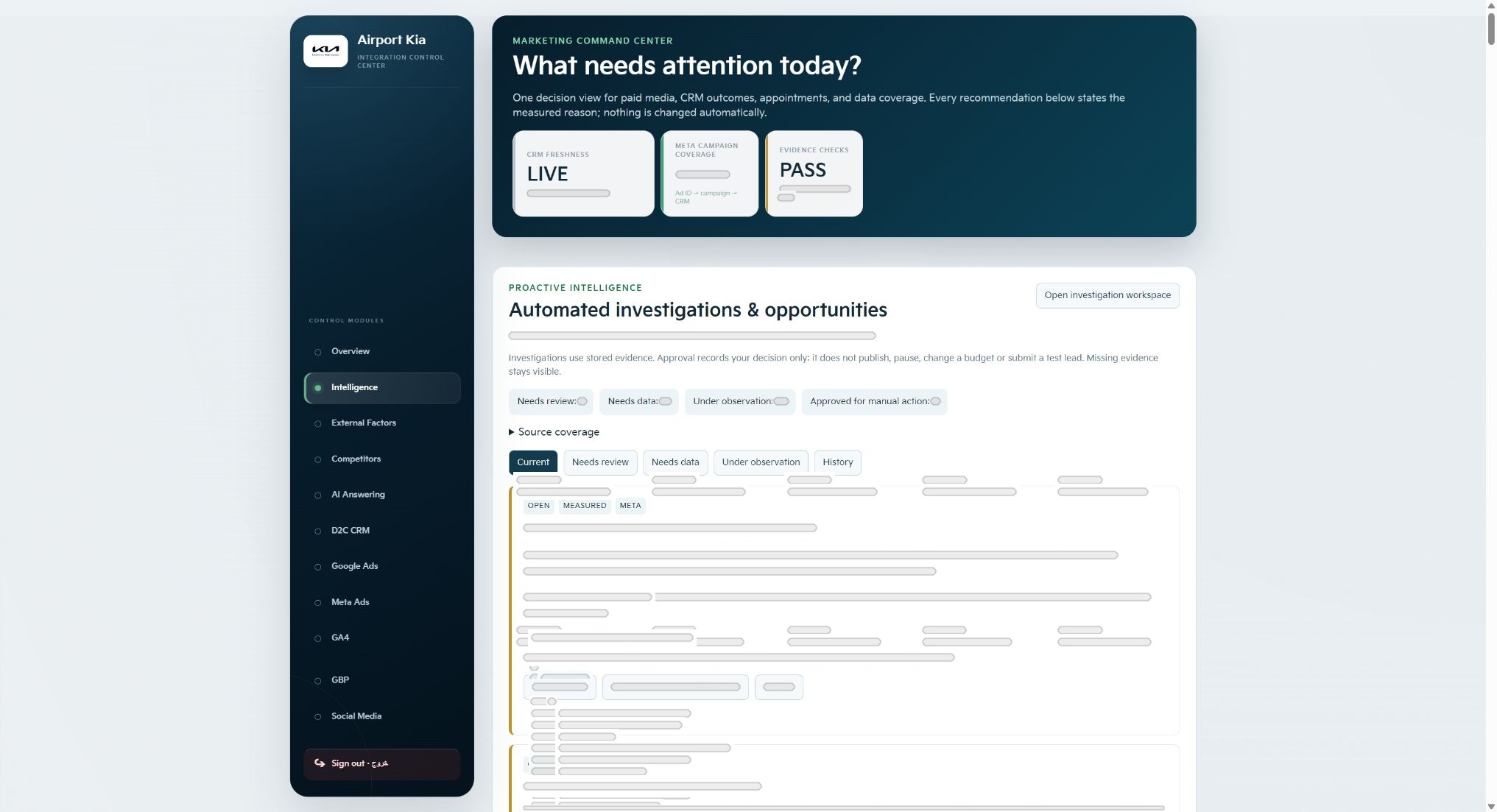
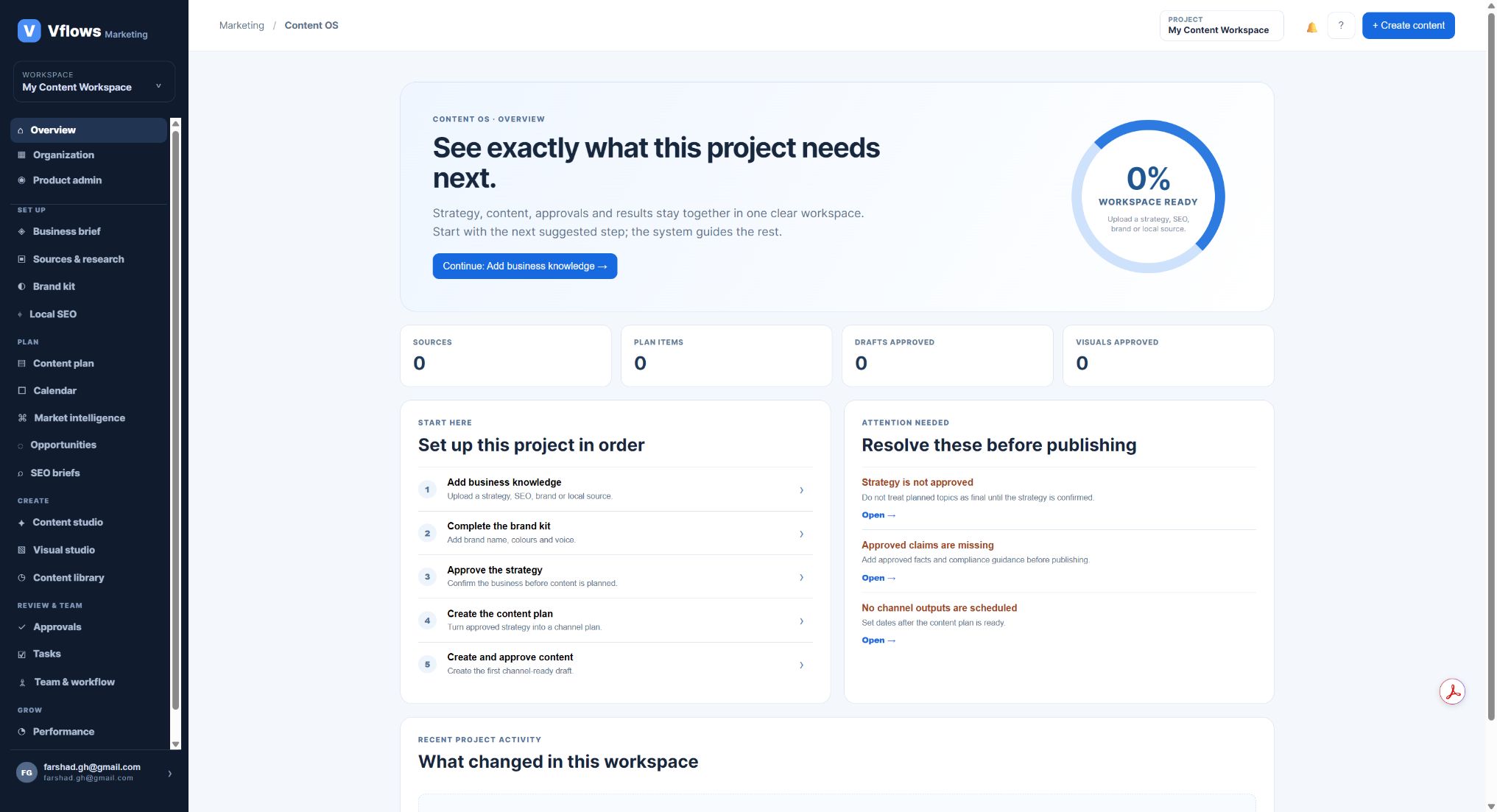
My marketing and systems work brings acquisition, CRM operations and content context together. A project might connect a form to a working lead queue, structure a messaging handoff or organize a recurring review. The aim is a dependable next step within the agreed scope, rather than adding an agent to every task.
- Businesses copying enquiries between tools or losing context during sales follow-up.
- Owners who need a clear first automation project, with defined access, responsibilities and verification.
Questions worth investigating
- A received lead has no owner, priority or recorded next action.
- Separate systems hold conflicting fields or create duplicate work.
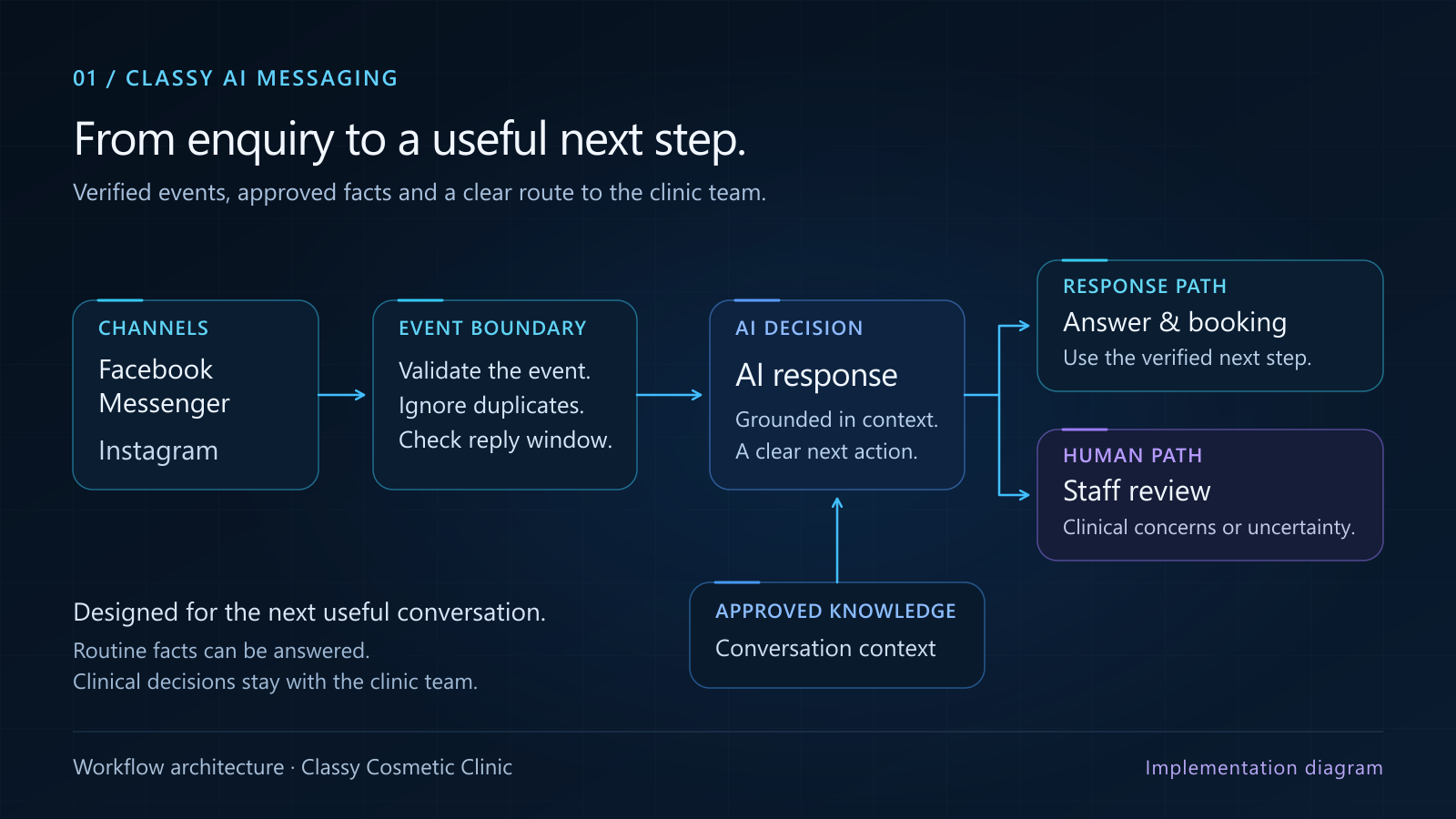
- AI responses appear useful but do not connect to an approved human handoff.
Useful work. A clear scope.
Workflow and data map
Document the trigger, input fields, source of truth, destinations and responsible people. Identify repeated manual steps, missing decisions and the evidence needed to confirm that a task is complete.
Scoped implementation
Build the agreed workflow using suitable tools such as n8n, Make, existing CRM capabilities or custom integration. Select the approach around the actual systems, hosting requirements and ongoing maintenance.
AI boundaries and handoffs
Where AI is appropriate, define approved knowledge, permitted tasks, uncertainty handling and escalation. Keep actions that require review behind an explicit decision rather than assuming a generated answer is authorized.
Verification and operating notes
Use agreed checks for field mapping, duplicates, failures and destination receipt. Document ownership, monitoring, pause/recovery procedures and the information a future operator needs to maintain the workflow.
From understanding to verification.
- 01
Choose one process
Walk through the existing task with its owner. Define the useful outcome and agree on the sources, permissions and limits before connecting live systems.
- 02
Build and inspect
Implement the agreed route and review a contained sample. Check missing inputs, failure paths and handoffs as well as the straightforward successful case.
- 03
Verify the working result
Confirm the intended destination received usable information, then document the operating process. Agree on responsibility for changes when a source system or business rule evolves.
Agree on the boundaries before starting.
- Access, hosting, data handling, third-party usage costs and ongoing support are agreed before implementation.
- A connected workflow is not proof of successful receipt; completion checks must match the real business task.
- Existing cases document specific systems. They do not establish a packaged connector for every CRM or autonomous authority over customer decisions.
Questions before we start
Do we need AI, or can ordinary automation do the job?
Predictable field transfers and rules may not need AI. I first separate fixed steps from tasks requiring interpretation. The chosen approach should be understandable, maintainable and proportionate to the problem.
Can you use our current CRM and tools?
That is the starting point. Available integrations, permissions, data quality and operating constraints determine the options. I review those dependencies before recommending a connector, platform change or custom implementation.
What happens when a workflow fails or needs a person?
Those paths belong in the scope. We define who receives the issue, what information they need and how processing can pause or recover. The verification should cover these cases rather than demonstrating only the ideal path.