A project-based sector needs more than a generic contact page.
Vaughan Economic Development describes a construction and building-materials sector spanning contractors, suppliers, builders, design and engineering for residential, commercial and industrial work. That makes quote-led marketing a useful topic here; it does not establish search demand for an individual business.
My recommendation is to distinguish the jobs you want, the area you can serve and the information needed for an initial assessment. An urgent repair enquiry should not automatically receive the same page or questions as a planned project. These choices come from your business, not from assumptions about every customer in Vaughan.
Practical priorities for your business.
Separate different service intentions.
Review the search terms and build a focused plan for the work your business can deliver. Keep campaign messages, locations and budgets reviewable. If urgent and planned jobs need different responses, reflect that in the account and destinations. Do not judge the campaign only by the cheapest form submission.
Google Ads ManagementHelp a customer describe the right project.
Explain the service, genuine coverage, relevant work and enquiry process. Design the form around useful project details rather than collecting everything. Check the mobile experience and make clear whether the next step is a callback, site assessment or another action the business can actually provide.
Web Design & Conversion JourneysKeep ownership attached to the quote.
Connect the agreed intake to a CRM or organised queue with service type, contact details, status and next action. Review duplicates and delivery failures. A reminder or routing rule can support follow-up, while project suitability, pricing and promises stay with the person authorised to make them.
AI, CRM & Marketing AutomationA planned roofing enquiry, from campaign to follow-up.
Imagine a hypothetical Vaughan roofing business that wants planned replacement enquiries and has a separate process for urgent repairs. The sequence below illustrates a possible project. It is not a Sherak result, a claim about any current client or evidence of local keyword volume.
- 01
Make the campaign specific.
Write an approved message about the planned service, select the actual service area and send visitors to a relevant page. Explain the next step without promising availability, an inspection or a quotation turnaround that has not been agreed.
- 02
Ask for usable project context.
Collect a contact method, general project location, service category and a short description. Include further fields only when needed for the first review. Present urgent contact instructions only if the business genuinely supports them.
- 03
Follow the request through the queue.
Verify delivery, assign a responsible person and record the next action. Track assessment, proposal and outcome separately. Review whether poor fit comes from the campaign, page or intake; do not assume every lost request is an advertising problem.
Scope the enquiry process before adding more traffic.
Bring your service list, website and a description of how quote requests are handled today. I would review the available campaign and enquiry information, then propose a focused first stage. That may be a page improvement, account changes or a workflow repair. Budget, access, approvals, content production and continuing management are agreed explicitly. English and Persian conversations are available.
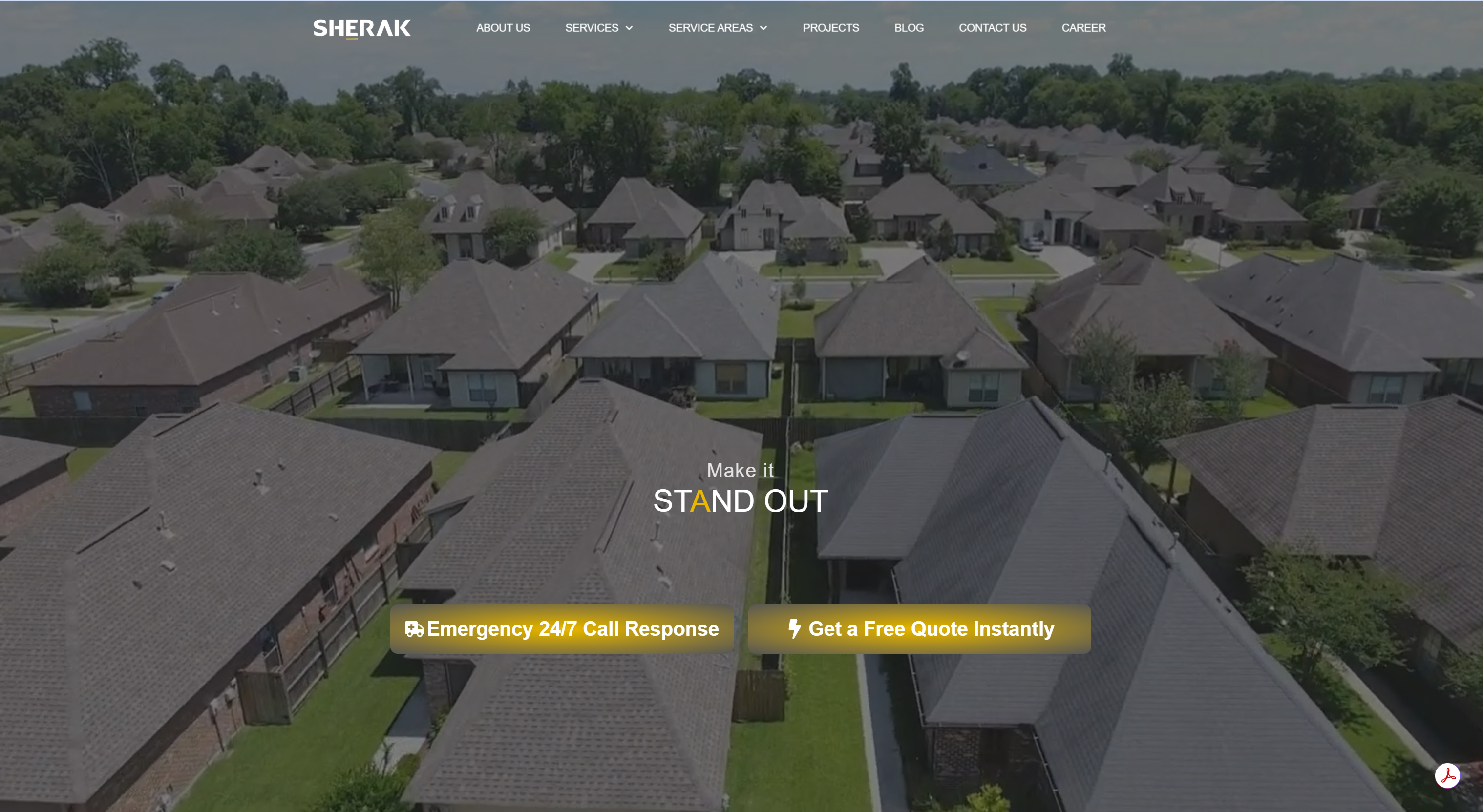
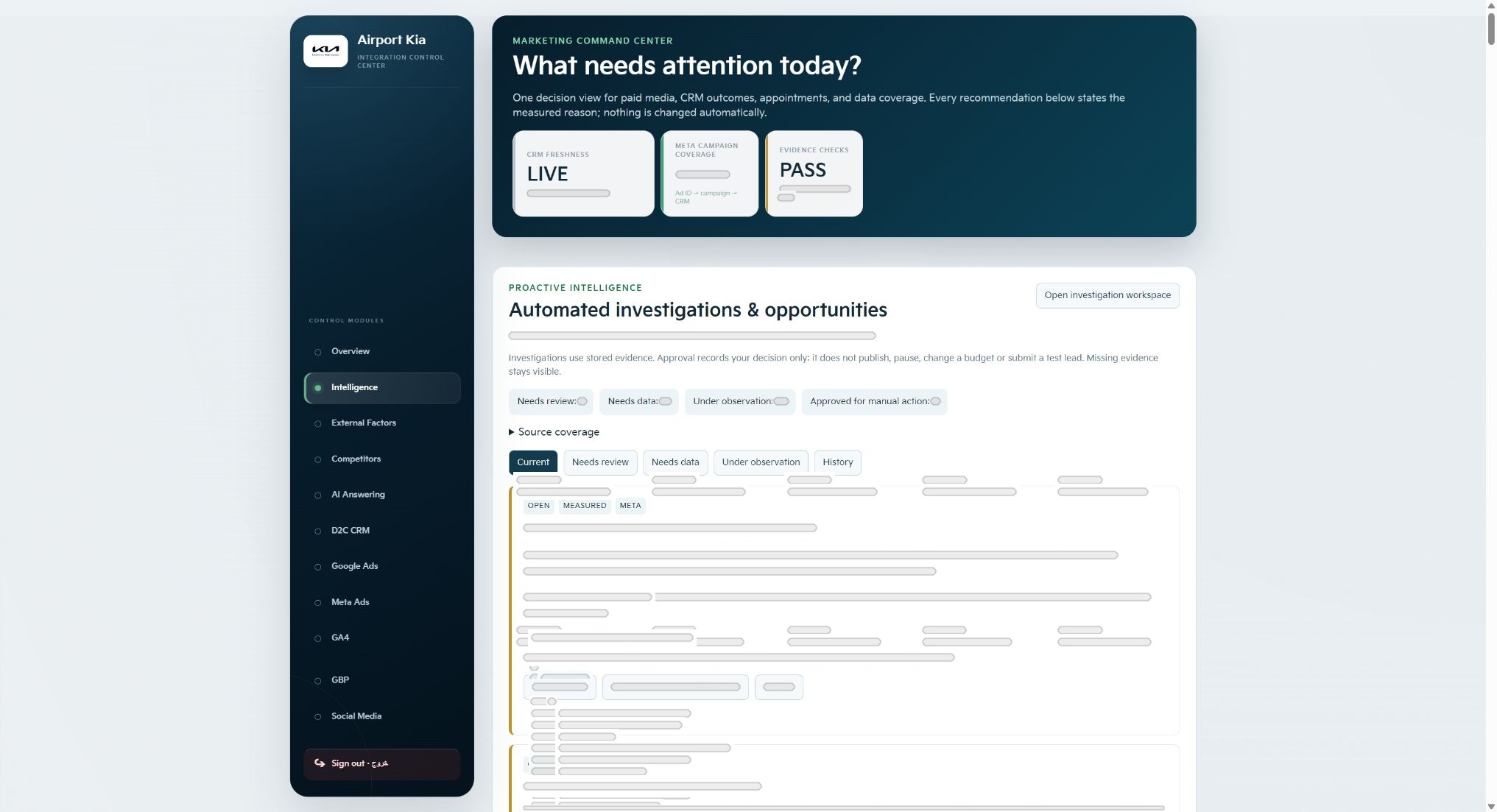
The archived Sherak case documents my 2025 roofing website design and separate quote and urgent-contact routes; it does not show the current live design. Airport Kia demonstrates campaign management, CRM analysis and lead prioritisation in automotive work. These cases illustrate methods and responsibilities, not two Vaughan-based engagements or a guarantee that the same approach fits every project.
Questions about the work
Can one campaign cover all of our services?
Possibly, but I would first check whether the services share search intent, landing-page information and a response process. Different job types may deserve separate treatment. The account should remain manageable; separation is useful when it supports a real decision, not just more campaigns.
Should a quote form ask for every project detail?
No. Start with what the receiving person needs for the first useful review. Long forms can create unnecessary work, while very short forms may omit essential context. We should agree which details belong in the initial request and which can follow in a conversation.
Can automation send prices or accept a job for us?
Only within a separately agreed, appropriate process using approved information and authority. A routing workflow is not permission to price a bespoke project or confirm a commitment. In many cases its useful job is to organise the request and alert the responsible person.