Use the local setting without guessing customer behaviour.
Aurora describes its downtown as walkable, with cafés, cultural activity and Town Square. The municipality also publishes resources for small and medium businesses. This is useful local context; an individual business still needs its own assessment of customers, capacity and acquisition channels.
For an owner-run practice, my recommendation is a narrow first journey: one priority service, one useful destination and one clear response process. A visitor discovering the business locally may still need to compare options online before making contact. The website should help that decision without creating an enquiry process that takes more time than the owner can provide.
Practical priorities for your business.
Choose a service you have room to deliver.
Agree on the preferred customer, scope and available capacity before deciding the channel mix. Review the existing sources of enquiries and the questions that take time to answer. Turn that into a short sequence of priorities, with content responsibilities and a clear approval process. A smaller, maintainable plan is a valid starting point.
Digital Marketing Strategy & ManagementMake the appointment decision easier.
Explain what the first conversation includes, who the service suits and how to contact you. Remove unnecessary form fields and check the real mobile interaction. If the process only collects a request, say so; live scheduling needs dependable availability and confirmation. Show genuine service information rather than adding decorative sections that leave the main question unanswered.
Web Design & Conversion JourneysAdvertise within an agreed operating plan.
Use relevant search intent and a service-specific destination, with locations and budgets reviewed before activation. Review ad scheduling against actual response arrangements rather than assuming the owner answers all day. Distinguish the recorded enquiry from a suitable opportunity and a completed appointment, so the next budget decision has context.
Google Ads ManagementA focused first journey for an independent training studio.
Imagine an Aurora training studio whose owner wants to promote introductory sessions while continuing to coach existing clients. This illustrative plan connects the offer, available capacity and receiving process before advertising begins.
- 01
Define the available service.
Confirm the session format, suitable participant, actual time slots and weekly capacity. Explain what someone needs to know before asking for a place; do not promise immediate availability unless it is verified.
- 02
Build one clear destination.
Create a focused page answering the important questions, with a short enquiry or an appropriate booking route. Test it on a phone and check that a real request reaches the right person.
- 03
Review fit before expanding.
Use agreed advertising limits and review the enquiries with the owner. Track relevance, scheduling and unfinished follow-up separately. Improve the weak step before adding more services, channels or automation.
A first project with an understandable scope.
Tell me which service you want to develop, what a typical week looks like and who maintains the website and advertising accounts. We can decide whether the first job is clarifying the offer, rebuilding a page, reviewing campaigns or organizing follow-up. I will identify the information and approvals needed to make the chosen work reviewable.
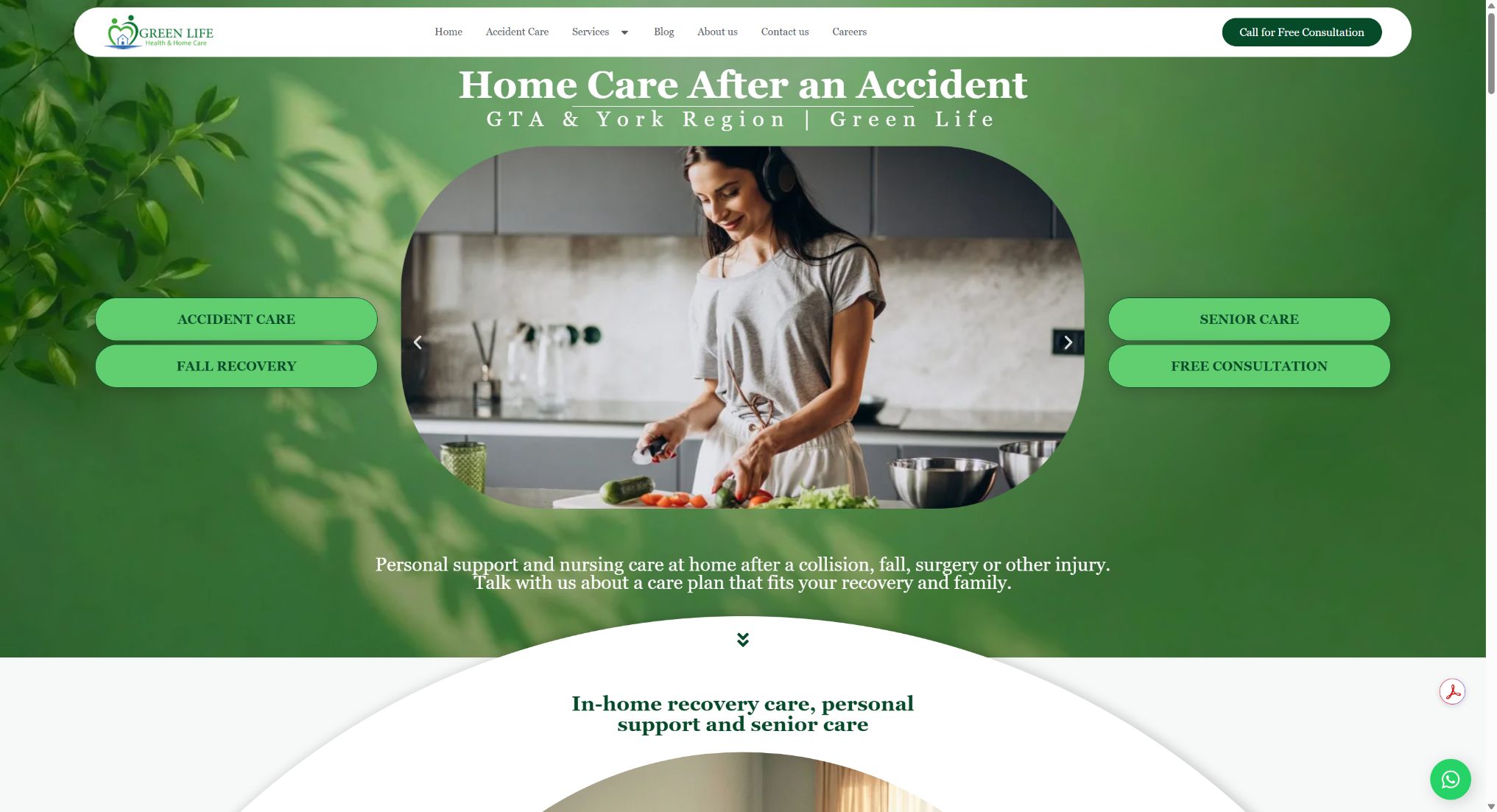
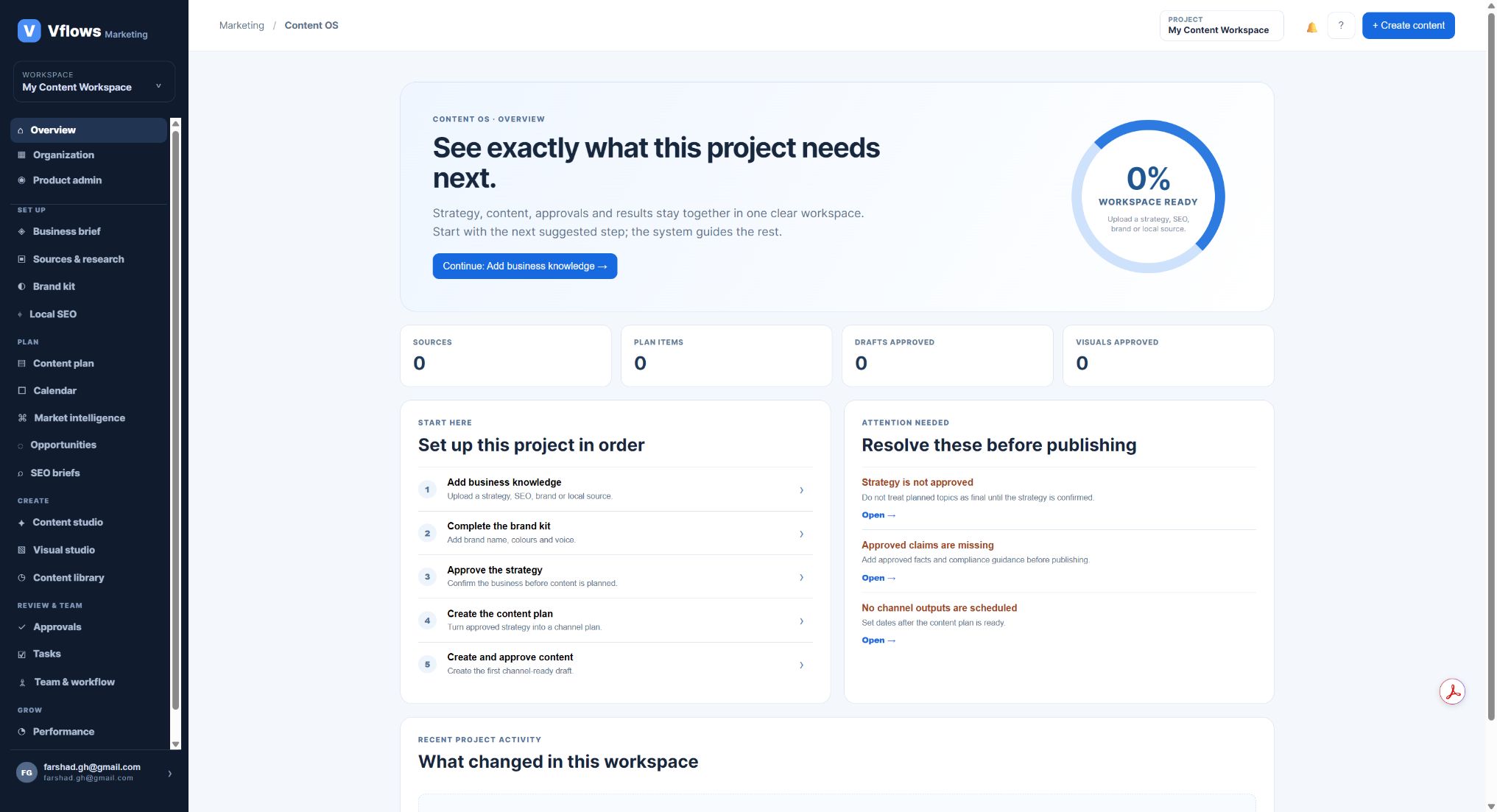
The Green Life case shows how service information, search and acquisition can connect. VFlows Marketing shows how briefs, plans and schedules can be organized. These are relevant methods from existing work, not claims that those clients are located in Aurora. English or Persian communication is available according to your preference.
Questions about the work
Do I need to start on every marketing channel?
No. We would choose the channel and destination that fit your current service, available evidence and capacity to respond. A focused first project gives you something concrete to maintain and assess before committing to a broader programme.
Can I keep my current website?
Possibly. I would inspect its content, mobile contact journey and editing limitations first. Improving a useful service page or enquiry route may be more appropriate than a full rebuild. The scope depends on what is actually preventing visitors from taking the next step.
What should we measure when availability is limited?
Relevant enquiries, how they were handled and whether the resulting work fits your capacity are useful starting points. Traffic and ad clicks provide context, but they cannot show that an appointment was suitable, attended or profitable without additional business records.